You’re scrolling through a chat, half-paying attention, when someone drops:
“sn: that outfit was wild 😭”
“send me your sn”
“ok… sn, I didn’t like that”⏮️Previously on punnszone: IIRC Meaning in Text and Internet Slang
And suddenly you pause.
Wait… what does “sn” even mean here?
Is it a compliment? A warning? Something shady? Or just another random internet shortcut?
If you’ve ever felt that tiny moment of confusion, you’re not alone. The phrase “sn mean in text” is one of those slang puzzles that depends heavily on context, tone, and intention. And honestly, that’s what makes it interesting.
Because this isn’t just about a definition.
It’s about how people communicate emotions without saying too much.
👉 Let’s break it down in a way that actually makes sense.
Quick answer:
“SN” in text usually stands for:
- Side Note – adding an extra thought casually
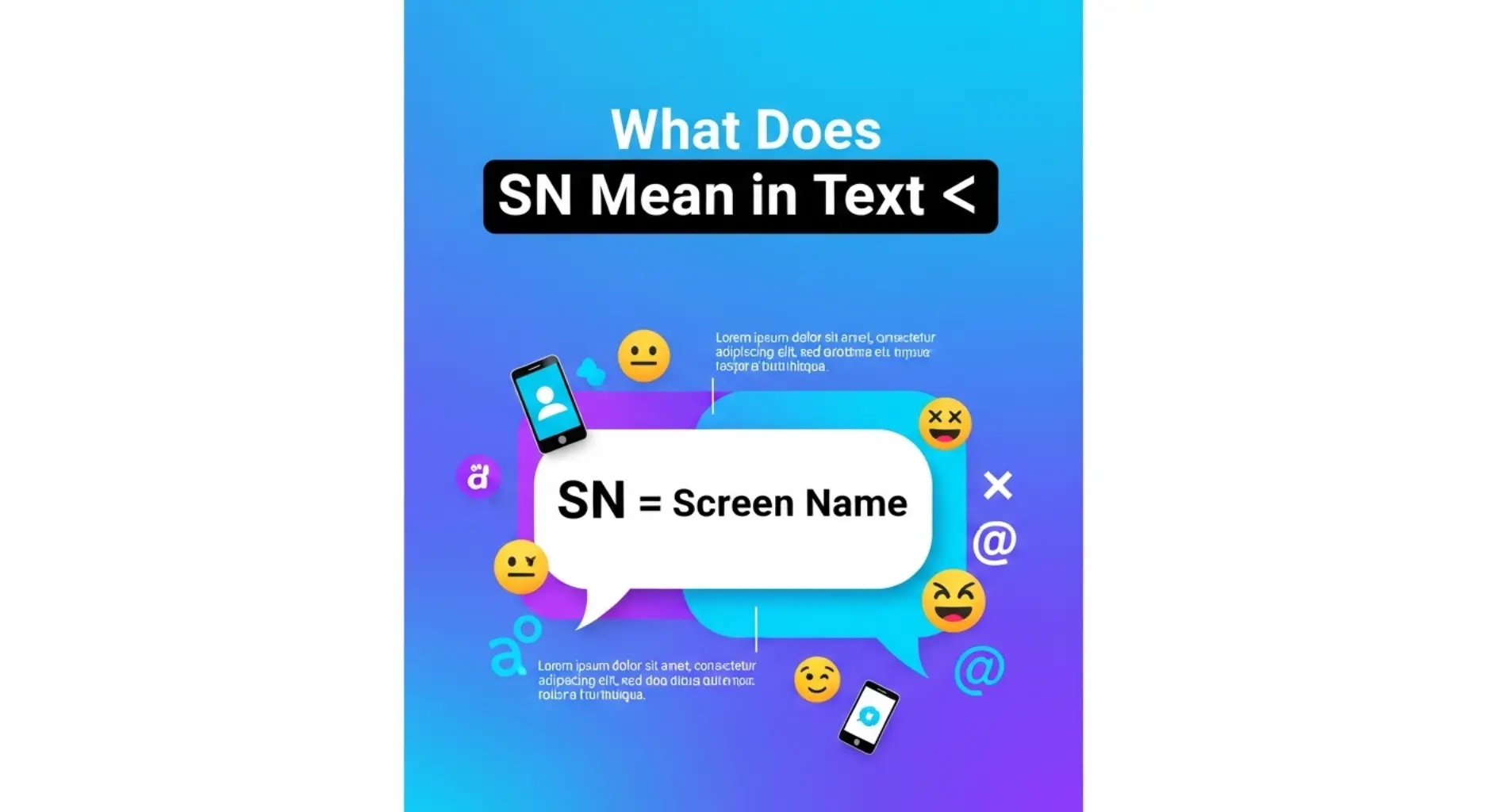
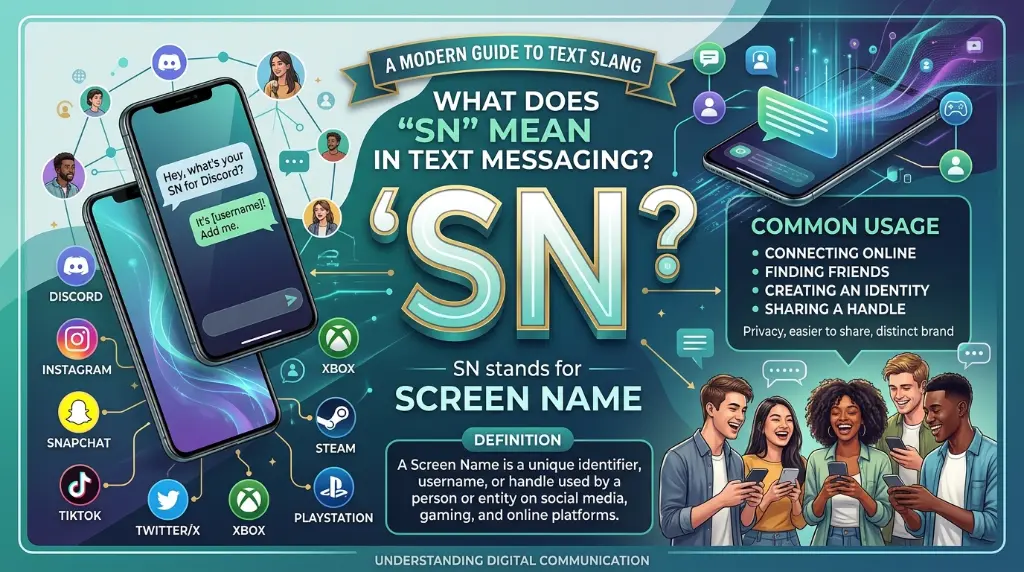
- Screen Name – asking for someone’s username (Snapchat, gaming, etc.)
- Say Nothing – implying silence, secrecy, or “don’t react”
Simple Examples:
- Side Note:
“sn: you handled that really well”
→ a soft, extra comment - Screen Name:
“what’s your sn?”
→ asking for a username - Say Nothing:
“sn about this”
→ don’t talk about it
Core Emotional Meaning
At its heart, “sn” is about subtle communication.
It’s quiet, indirect, and often emotionally layered.
Sometimes it softens a message.
Sometimes it hides one.
What does sn mean in text
When people search “sn mean in text”, they’re usually trying to decode tone.
Because “sn” isn’t just a word, it’s a signal.
Depending on context, it can mean:
- “I’m adding something extra (but it matters)”
- “Let’s keep this low-key”
- “Give me your identity online”
- “I don’t want drama, just listen”
It’s like a whisper inside a message.
Origin & Background
“SN” didn’t come from one place—it evolved.
- Side Note comes from writing culture (notes, essays, emails)
- Screen Name comes from early internet days (AOL, forums, gaming)
- Say Nothing is more recent—born from texting culture and privacy habits
As platforms like TikTok, Snapchat, and Instagram grew, people needed:
- faster communication
- less exposure
- more emotional control
So slang like “sn” became useful.
It’s short.
It’s flexible.
And it adapts fast.
👉 That’s the thing about internet language—it changes faster than people can define it.
👉 Real-Life Conversations
WhatsApp Chat
“sn: I think she was actually upset”
→ quiet observation
Instagram DM
“what’s your sn?”
→ asking for Snapchat username
TikTok Comment
“sn that was lowkey embarrassing 💀”
→ side note with judgment
Text Message
“sn about what happened yesterday”
→ don’t talk about it
Group Chat
“sn… he likes you 😭”
→ playful but revealing
Emotional Pattern Behind Usage
People use “sn” when they want to:
- soften their tone
- avoid confrontation
- say something without fully committing to it
- keep things slightly hidden
It’s subtle. Almost protective.
Emotional & Psychological Meaning
This is where it gets interesting.
Using “sn” often signals:
- awareness – noticing something others might miss
- emotional caution – not wanting to be too direct
- social intelligence – reading the room
- low-key honesty – saying something without making it heavy
Mini Story
Imagine you’re with friends. Someone makes a joke that kind of crosses a line.
Later, you text:
“sn: that joke was a bit much”
You didn’t call them out publicly.
You didn’t start drama.
But you still said what mattered.
That’s the power of “sn.”
It lets you communicate without escalating.
👉 That’s the deeper psychology behind it.
Usage in Different Contexts
Social Media
- “sn: this trend is getting annoying”
- Used casually, often with humor or critique
Friends & Relationships
- “sn you looked really good today”
- Soft compliments or hidden feelings
Work or Professional Settings
- Rarely used
- Might seem unprofessional or unclear
Casual vs Serious Tone
- Casual: playful, light
- Serious: secretive, emotionally careful
Context changes everything.
When NOT to Use It
Avoid using “sn” when:
- You’re in formal communication
- The topic is emotionally sensitive
- You’re talking to someone unfamiliar with slang
- You need clarity (not ambiguity)
Especially with:
- older audiences
- professional emails
- serious conflicts
👉 Context protects meaning.
Common Misunderstandings
1. “sn always means side note”
Not true—it depends on context.
2. “it’s rude”
It can be—but often it’s neutral or soft.
3. “it’s always casual”
Sometimes it carries serious emotional weight.
4. “everyone understands it”
Definitely not—this is why people search it.
Comparison Table
| Expression | Meaning | Tone | Usage Context |
|---|---|---|---|
| SN | Side note / screen name / say nothing | Subtle | Texting, social media |
| BTW | By the way | Casual | General conversation |
| FYI | For your information | Neutral/Formal | Work, info sharing |
| IDK | I don’t know | Casual | Everyday texting |
| IMO | In my opinion | Thoughtful | Discussions |
Insight
“SN” stands out because it’s more emotionally layered.
It doesn’t just add info—it shapes how the message feels.
Variations & Types
You might see:
- sn: (with colon) → clearer “side note”
- SN?? → asking for screen name
- sn fr → emphasizing honesty
- sn… → dramatic pause
- lowkey sn → soft opinion
Each version slightly shifts tone—from playful to serious.
How to Respond When Someone Uses It
Casual Replies
- “haha yeah I get that”
- “true tbh”
Funny Replies
- “sn accepted 😂”
- “noted, detective”
Mature Replies
- “I appreciate you saying that”
- “that’s fair”
Respectful Replies
- “thanks for telling me”
- “I understand”
👉 Matching energy matters. Always.
Regional & Cultural Usage
Western Culture
Common in casual texting and TikTok comments.
Asian Culture
Less common, but understood among younger users.
Middle Eastern Culture
Used mostly in English-based chats.
Global Internet Usage
Spreads through:
- memes
- influencers
- social media trends
Slang doesn’t stay local anymore.
Generational Differences
Gen Z
- Uses it naturally
- Understands multiple meanings instantly
Millennials
- Recognize “side note”
- May miss newer meanings
Older Generations
- Often confused
- Prefer full phrases
Language = identity.
Is It Safe for Kids?
Mostly, yes.
But:
- It can be used for teasing
- Sometimes hides emotional meaning
- Can create misunderstandings
Parents should understand the tone, not just the word.
FAQS:
What does “sn” mean in texting?
It usually means side note, but can also mean screen name or say nothing, depending on context.
Is “sn” rude?
Not inherently. It depends on tone. It can be soft, neutral, or slightly sarcastic.
What does “sn:” mean in messages?
It clearly signals a side note—an extra thought or comment.
Is “sn” used on TikTok?
Yes, especially in comments to add opinions or subtle reactions.
Can I use “sn” in professional chats?
It’s better not to. It may confuse people or seem too casual.
Why do people use “sn” instead of full words?
Because it’s faster, more subtle, and fits modern texting style.
Conclusion
Understanding “sn mean in text” isn’t just about knowing definitions like side note, screen name, or say nothing.
It’s about recognizing how people communicate emotions quietly.
In a world where everyone is constantly messaging, reacting, and expressing themselves, small phrases like “sn” carry big meaning.
soften honesty.
They protect feelings.
They create space between words and emotions.
And maybe that’s why it matters.
Because sometimes, what we don’t say directly…
says the most.

I’m Jake Punman, a humor writer who lives for clever wordplay and laugh-out-loud puns. I love crafting witty lines that turn simple moments into bursts of laughter. My passion is making people smile through creative twists of language. With every pun I write, I aim to add a little more fun to your day.