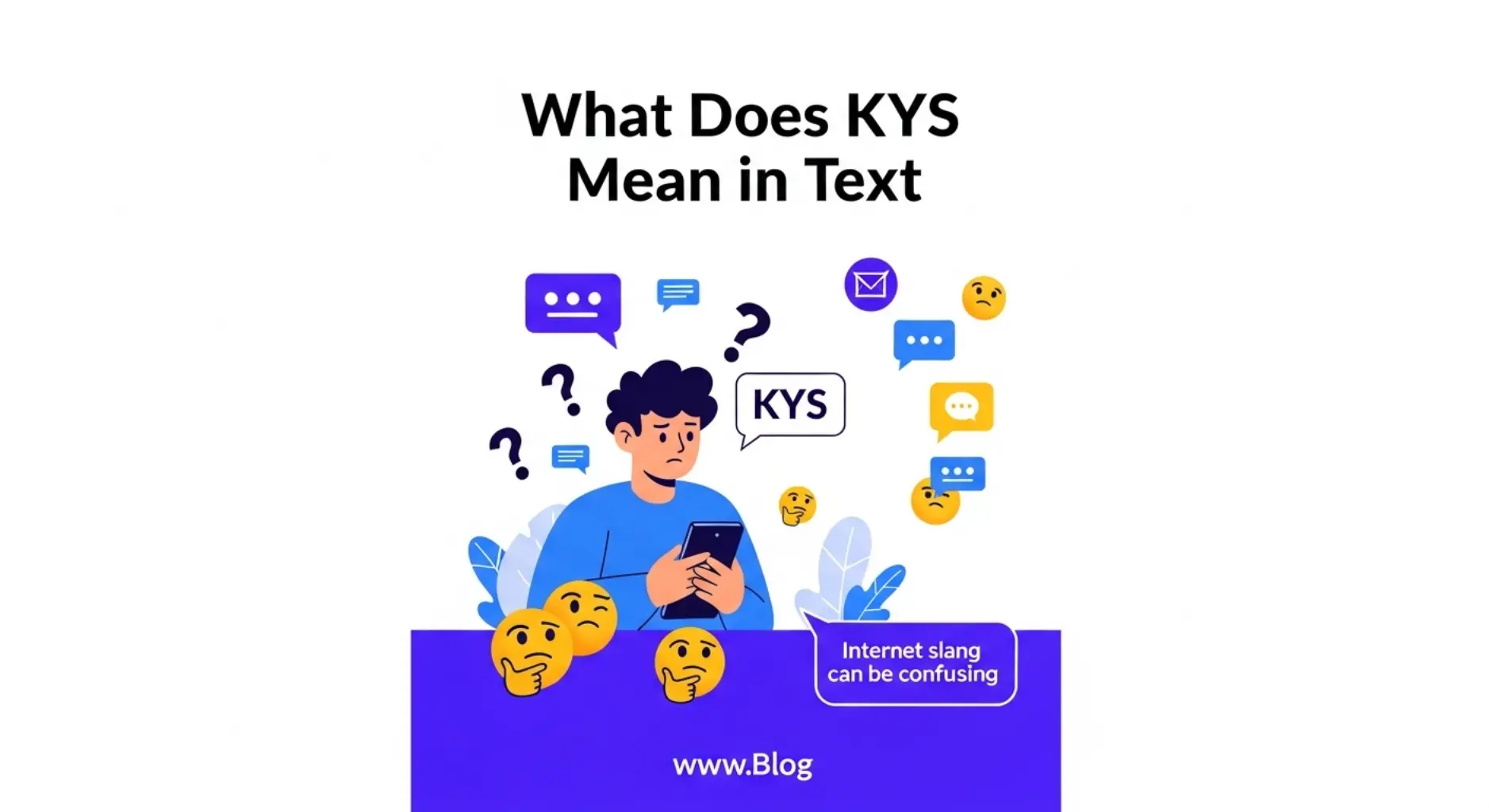
KYS Mean in Text is one of those phrases you’ve probably seen in a chat and instantly paused.
Someone texts:
“Bro… just kys 😭”
Or maybe:
“Ugh kys 💀”
And suddenly you’re thinking…
Wait… did they just say something really harsh? Or is this some kind of joke?
Then you scroll TikTok, and you see comments like:
“kys (respectfully)”
“kys but in a nice way 😭”
Confusing, right?
This is exactly why people search for KYS Mean in Text—because the phrase sits in a weird space between humor, sarcasm, and something that can feel seriously offensive depending on context.
👉 Let’s break it down in a way that actually makes sense.
Quick Definition
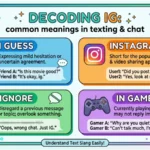
KYS usually stands for:
👉 “Kill Yourself”
👉 “Keep Your Smile” (rare, softer reinterpretation)
But here’s the truth:
The meaning depends almost entirely on tone, relationship, and context.
It can be:
• a harsh insult
• a sarcastic joke between friends
• exaggerated internet humor
• emotional frustration
• dark humor expression
• or rarely, a positive reinterpretation (“keep your smile”)
Example Uses:
• “You ate my fries? kys 😭” (joking)
• “That take is trash… kys” (aggressive)
• “Stay strong, kys = keep your smile 💙” (supportive reinterpretation)
👉 Core meaning: It’s emotionally intense slang used to express strong reactions—either jokingly or offensively.
Meaning 1: “Kill Yourself” (Primary Meaning)
This is the original and most widely recognized meaning of KYS.
It sounds extreme—and honestly, it is.
But online, especially among Gen Z, it’s often used in a non-literal, exaggerated way.
Example:
• “You spoiled the show? kys 😭”
• “That outfit… kys bro 💀”
Emotional Intent:
Not always literal harm—but rather:
• frustration
• shock
• playful aggression
• dark humor
• exaggeration for effect
Still, tone matters a lot. With the wrong person, it can feel very offensive or hurtful.
Meaning 2: “Keep Your Smile” (Alternative Meaning)
This version is much less common, but it exists as a softer reinterpretation.
Some people intentionally flip the meaning to make it positive:
👉 “KYS = Keep Your Smile 😊”
Example:
• “Don’t stress, just kys 💙”
• “Stay happy, keep your smile!”
Emotional Intent:
• encouragement
• positivity
• emotional support
But be careful—most people will still assume the original meaning first.
What Does KYS Mean in Text?
In texting, KYS is a high-emotion reaction phrase.
It usually means:
• “I can’t believe you did that”
• “That’s so annoying”
• “You’re joking, right?”
• “That’s embarrassing (in a funny way)”
Tone Variations:
• With 😂 or 💀 → joking
• With no emoji → can feel serious
• With anger → insulting
👉 In simple terms: It’s less about literal meaning and more about emotional intensity.
Origin & Background
KYS didn’t start as harmless slang.
It originally appeared in online gaming communities and forums, where aggressive language was common. Players used it as a direct insult.
Then came:
• meme culture
• Twitter sarcasm
• TikTok humor
• Gen Z irony
And slowly, it evolved into something more layered.
Now you’ll see:
• “kys (respectfully)”
• “kys but I love you”
• “kys 😭”
It became part of internet exaggeration culture, where extreme phrases are used casually.
👉 That’s the thing about internet language—it evolves faster than people emotionally process it.
Real-Life Conversations
WhatsApp Chat
A: “I forgot your birthday 😭”
B: “kys bro 💀”
Instagram DM
A: “I just texted my ex”
B: “KYS WHAT ARE YOU DOING 😭”
TikTok Comments
“That outfit… kys (respectfully) 😭”
Group Chat
Friend 1: “I sent the wrong screenshot 💀”
Friend 2: “Nahhh kys immediately 😭”
Emotional Pattern
In most cases:
• It signals shock or disbelief
• It exaggerates reaction
• It builds humor through intensity
But the closer the relationship, the safer it feels.
Emotional & Psychological Meaning
KYS isn’t really about the words themselves.
It’s about:
• emotional exaggeration
• social bonding through humor
• shared internet language
• expressing reactions quickly
Sometimes it reflects:
• confidence (“we joke like this”)
• insecurity (“masking feelings with humor”)
• sarcasm (“I’m not serious”)
Mini Story
Imagine a friend group where everyone roasts each other.
One day, someone new joins.
They see “kys” being thrown around casually—and suddenly it feels uncomfortable.
Same word. Different emotional impact.
👉 That’s the deeper psychology behind it.
Usage in Different Contexts
Social Media
Used casually with humor:
“kys 😭 that was embarrassing”
Friends & Relationships
Safe among close friends who understand tone:
“Bro kys for that joke 💀”
Work or Professional Settings
🚫 Not appropriate. Ever.
Casual vs Serious Tone
Casual:
“kys 😂” → joking
Serious:
“kys.” → aggressive
👉 Tone changes everything.
When NOT to Use It
Avoid using KYS:
• in professional chats
• with strangers
• during emotional conflicts
• with sensitive individuals
• in cross-cultural conversations
It can easily be misunderstood.
👉 Context protects meaning.
Common Misunderstandings
Misunderstanding 1: It always means literal harm
→ Not always, often exaggerated humor
2: It’s always a joke
→ No, tone can make it offensive
3: Everyone understands it
→ Many people don’t—and may feel hurt
4: Emojis make it safe
→ Not always
Comparison Table
| Expression | Meaning | Tone | Usage Context |
|---|---|---|---|
| KYS | Extreme reaction | Dark humor / aggressive | Friends, memes |
| LOL | Laughing | Light | Universal |
| WTF | Shock/confusion | Casual | Texting |
| BRUH | Disbelief | Playful | Social media |
| SMH | Disapproval | Mild | Conversations |
👉 KYS stands out because it carries strong emotional weight, even when used jokingly.
Variations & Types
• “kys 😭” → joking
• “kys (respectfully)” → sarcastic politeness
• “kys bro 💀” → friendly roast
• “kys immediately” → exaggerated humor
• “kys but I love you” → affectionate sarcasm
Each variation shifts tone slightly—but keeps intensity.
How to Respond When Someone Uses It
Casual Replies
• “nah YOU kys 😭”
• “bro chill 💀”
Funny Replies
• “booking my flight rn ✈️”
• “already on it 😭”
Mature Replies
• “hey, not cool”
• “let’s not use that”
Respectful Replies
• “I get it, but that wording’s harsh”
👉 Matching energy matters socially.
Regional & Cultural Usage
Western Culture
More common in meme and sarcasm-heavy spaces.
Asian Culture
Less accepted; can feel offensive quickly.
Middle Eastern Culture
Often avoided due to sensitivity.
Global Internet Usage
Spreads through TikTok, gaming, and memes.
👉 Not everyone interprets it the same way.
Generational Differences
Gen Z
Uses it casually, often jokingly.
Millennials
Understands it but uses it less.
Older Generations
May find it shocking or offensive.
👉 Language reflects identity—and internet culture drives it.
Is It Safe for Kids?
Not really.
While some use it jokingly, it still carries:
• harsh wording
• emotional risk
• potential misunderstanding
Parents and educators should be aware of its meaning.
FAQs
What does KYS mean in texting?
Usually “kill yourself,” but often used jokingly to show shock or frustration.
Is KYS always rude?
Not always—but it can easily be offensive depending on tone.
What does KYS mean on TikTok?
Mostly exaggerated humor or sarcasm.
Can KYS mean something positive?
Rarely—like “keep your smile,” but uncommon.
Should I use KYS with friends?
Only if you’re sure they’re comfortable with that tone.
Is KYS appropriate at work?
No, it’s not suitable for professional communication.
Conclusion
KYS Mean in Text is a perfect example of how modern internet language blends emotion, humor, and risk into one short phrase.
It can mean:
👉 “Kill Yourself” — intense, exaggerated, sometimes joking
👉 “Keep Your Smile” — rare, positive reinterpretation
But more than anything, it shows how people today communicate feelings quickly, dramatically, and sometimes carelessly.
Language online isn’t just about words—it’s about tone, relationships, and shared understanding.
And KYS?
It’s a reminder that even jokes can carry weight.
👉 Because in the end, the way we speak online still shapes how people feel offline.

I’m Jake Punman, a humor writer who lives for clever wordplay and laugh-out-loud puns. I love crafting witty lines that turn simple moments into bursts of laughter. My passion is making people smile through creative twists of language. With every pun I write, I aim to add a little more fun to your day.