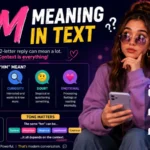
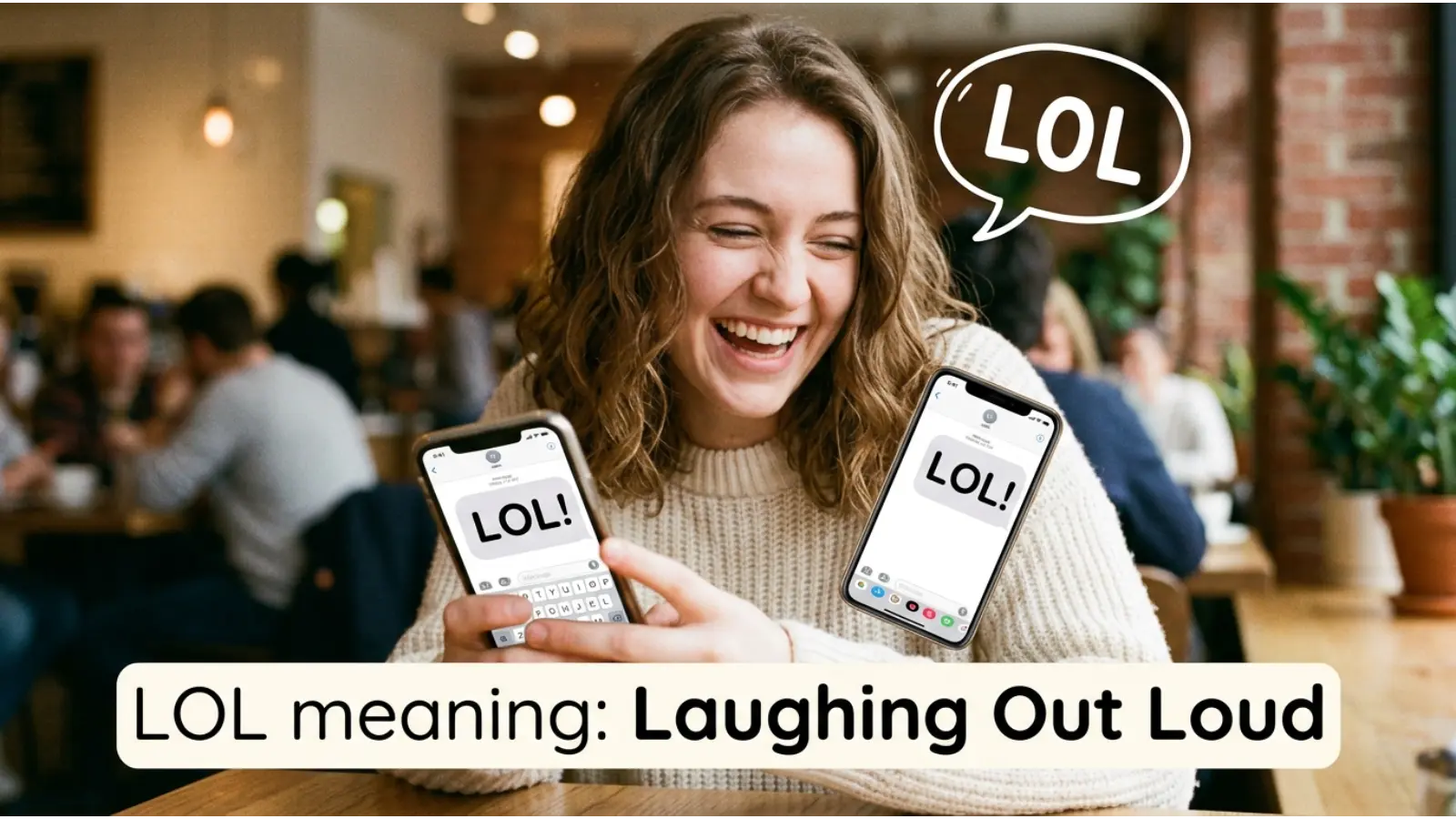
lol meaning in text is something you’ve definitely seen… probably a hundred times today.
“bro that was crazy lol”
“ok lol…”
“you really said that?? lol 😭”
But here’s the thing—does it always mean someone is actually laughing out loud? Or is it sometimes awkward… sarcastic… or even a little fake?
That tiny three-letter word can completely change the mood of a message. And that’s exactly why people search it.
👉 Let’s break it down in a way that actually makes sense.
Quick Definition
LOL stands for “laughing out loud.”
But in real conversations, it’s way more flexible than that.
LOL as Genuine Laughter
Used when something is actually funny.
Example: “That meme killed me lol”
LOL as a Soft Reaction
Not super funny, but you acknowledge it.
Example: “yeah I guess lol”
LOL as Awkward Filler
Used to avoid silence or tension.
Example: “oh… okay lol”
LOL as Sarcasm
Can signal disbelief or shade.
Example: “you really think that lol”
LOL as Emotional Cushion
Softens messages so they don’t feel harsh.
Example: “you’re annoying lol”
👉 Core meaning: LOL isn’t always laughter—it’s emotional tone control.
👉 what does lol meaning in text
At its core, lol meaning in text depends on how it’s used, not just what it stands for.
It can mean:
- “That’s funny”
- “I don’t know what to say”
- “I’m being polite”
- “I’m joking… kind of”
- “This is awkward”
It’s less about laughter—and more about managing social energy.
👉 Origin & Background
LOL started in early internet chatrooms in the 1980s–90s. Back then, people needed quick ways to show emotion without voice or facial expressions.
Then came:
• MSN Messenger
• SMS texting
• Facebook & Twitter
• TikTok and meme culture
Over time, LOL evolved:
From real laughter → casual reaction → emotional shield
Today, people use “lol” even when they’re not smiling.
👉 Internet language changes fast—and meaning always follows behavior.
👉 Real-Life Conversations
WhatsApp Chat
A: “I just waved back at someone who wasn’t waving at me”
B: “nahhh that’s painful lol”
Instagram DM
A: “you ignored me yesterday”
B: “I fell asleep lol”
TikTok Comment
“This is so accurate lol 😭”
Group Chat
Friend 1: “I’m quitting the gym”
Friend 2: “you said that last week lol”
👉 Pattern: LOL keeps things light, safe, and non-confrontational.
👉 Emotional & Psychological Meaning
LOL is less about humor—and more about emotional protection.
It can signal:
• “I don’t want this to get serious”
• “I’m joking… don’t attack me”
• “I feel awkward but I’ll hide it”
• “Let’s keep this chill”
Mini story:
You text someone you like: “I miss you lol”
That “lol” is doing emotional work. It protects you from rejection.
Without it? Way more vulnerable.
👉 That’s the deeper psychology behind it.
👉 Usage in Different Contexts
Social Media
Used casually to react without overthinking.
“this is wild lol”
Friends & Relationships
Adds humor or softens honesty.
“you’re so dramatic lol”
Work or Professional Settings
Risky. Can feel unprofessional.
Better avoid: “I’ll fix it lol”
Casual vs Serious Tone
• Casual: playful
• Serious: dismissive or awkward
Context decides everything.
👉 When NOT to Use It
Avoid LOL when:
• You’re in serious conversations
• Someone is upset
• Professional emails or work chats
• Talking to older or formal audiences
It can come off as careless or insensitive.
Context protects meaning.
👉 Common Misunderstandings
- It always means laughing → Not true
- It’s always friendly → Can be sarcastic
- It’s harmless → Can feel dismissive
- Everyone uses it the same way → Tone varies a lot
👉 Comparison Table
| Expression | Meaning | Tone | Usage Context |
|---|---|---|---|
| LOL | Light laughter / tone softener | Casual | Everyday texting |
| LMAO | Strong laughter | Energetic | Friends, memes |
| ROFL | Extreme laughter | Dramatic | Rare, playful |
| haha | Simple laugh | Neutral | Universal |
| 😂 | Visual laughter | Emotional | Social media |
Insight: LOL is the most emotionally flexible of them all.
Variations & Types
• lollll → extra emphasis
• LOL → louder tone
• lol 😭 → laughing + pain
• lol ok → passive-aggressive
• lol?? → confusion
Each version shifts the emotional vibe slightly.
👉 How to Respond When Someone Uses It
Casual Replies
“haha yeah”
“true lol”
Funny Replies
“don’t laugh it’s serious 😭”
Mature Replies
“I get what you mean”
Respectful Replies
“thanks for explaining”
👉 Matching energy matters more than the words.
👉 Regional & Cultural Usage
Western Culture
Very common, almost automatic.
Asian Culture
Used politely to soften tone.
Middle Eastern Culture
Mixed use—can feel casual or disrespectful depending on context.
Global Internet Usage
Understood everywhere—but tone varies widely.
👉 Generational Differences
Gen Z
Uses LOL ironically or sarcastically.
Millennials
Use it genuinely or habitually.
Older Generations
Often interpret it literally.
👉 Language reflects identity.
👉 Is It Safe for Kids
Mostly safe.
But watch for:
• teasing disguised as jokes
• passive-aggressive tone
• emotional confusion
It’s harmless—but context matters.
👉 FAQs
1. Does LOL always mean laughing?
No. It often just softens the message.
2. Is LOL rude?
Sometimes, if used sarcastically.
3. Why do people use LOL so much?
To manage tone and avoid awkwardness.
4. What does LOL mean on TikTok?
Usually a reaction—not actual laughter.
5. Can I use LOL in work messages?
Better not. It feels too casual.
6. Is LOL outdated?
Not really—it just evolved in meaning.
👉 Conclusion
lol meaning in text started as “laughing out loud,” but today it’s something deeper.
It’s a social tool.
A tone softener.
An emotional shield.
In a world where we text more than we talk, small words like “lol” carry big emotional weight.
Because sometimes…
👉 “lol” isn’t about laughing. It’s about how you want to be understood.

I’m Jake Punman, a humor writer who lives for clever wordplay and laugh-out-loud puns. I love crafting witty lines that turn simple moments into bursts of laughter. My passion is making people smile through creative twists of language. With every pun I write, I aim to add a little more fun to your day.